
Amber Alert Failures: Missing Kids Case Analysis
Explore the analysis of Lily and Jack's missing case and how Amber Alert failures draw attention to critical investigation gaps.
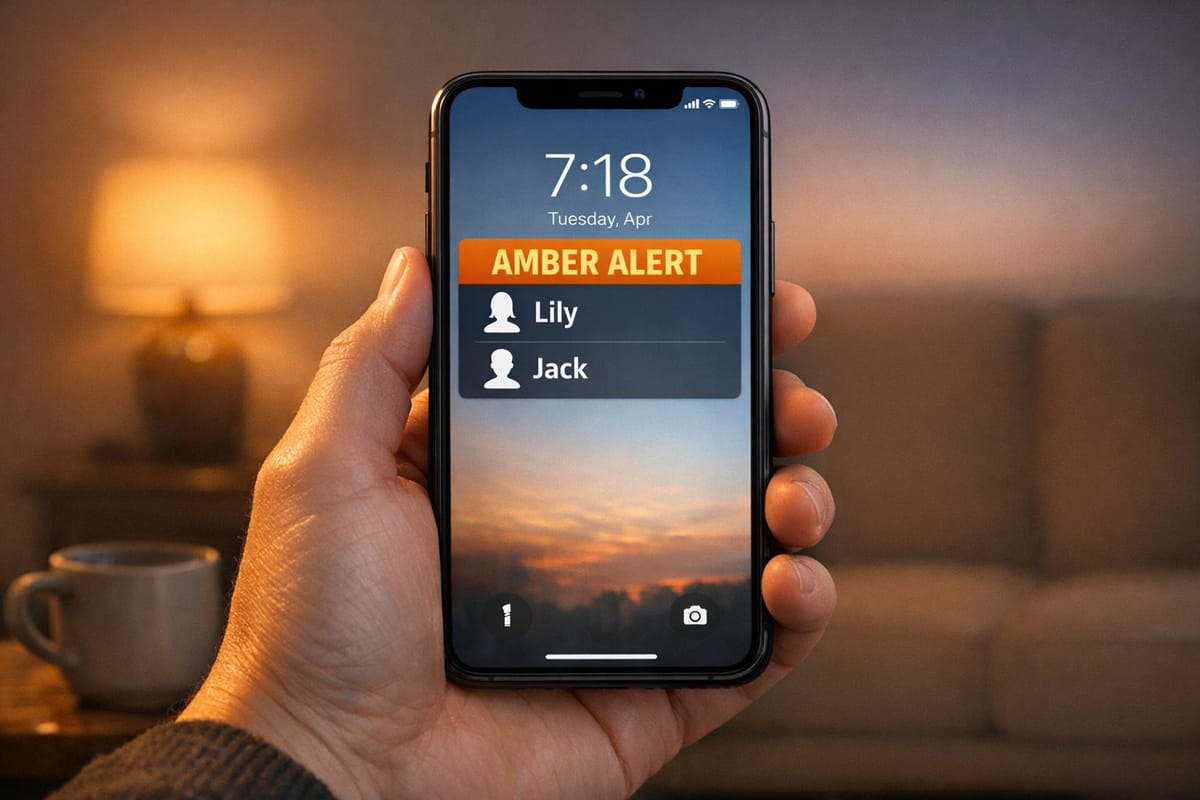
When children go missing, time is of the essence. The Amber Alert system was created to rapidly disseminate information and mobilize communities to assist in finding abducted or endangered children. However, as the case of Lily and Jack Sullivan reveals, this vital tool is not without its flaws. The disappearance of these children, coupled with the apparent failures of the Amber Alert system and the questionable behavior of their mother, Malaya Brooks Murray, and her boyfriend, Daniel Martell, has left more questions than answers. Here's a closer look at what went wrong and the troubling dynamics that emerged in this case.
The Disappearance of Lily and Jack Sullivan: What Happened?
On May 2nd of last year, Lily and Jack Sullivan, children of Malaya Brooks Murray, vanished under circumstances that remain unclear. Friends and family members immediately mobilized, scouring the local area for any sign of the children. Yet, within hours, frustrations began to mount as the police failed to issue an Amber Alert for the missing siblings.
According to Malaya’s friends, they pushed repeatedly for an Amber Alert, only to be told that the case didn’t meet the strict criteria. The reasoning? Authorities apparently lacked evidence of an abduction or a suspect - a key requirement for issuing such alerts. Instead, a "vulnerable missing person alert" was sent out, but its reach was limited to just three local areas in Nova Scotia. For many, including Malaya’s friends, this response felt inadequate and disappointing.
Questions About the Amber Alert Process
The Amber Alert system is designed to be a powerful tool, but as this case highlights, it has limitations. The criteria for issuing an alert are stringent, requiring not only that the child be under 18 and in danger but also concrete evidence of an abduction. While this prevents overuse and ensures alerts are taken seriously, it can also delay critical interventions in situations that don’t fit the mold - like the disappearance of Lily and Jack Sullivan.
Malaya’s friends expressed their belief that the police underestimated the risk, assuming the children might have merely wandered off into the woods. But as time stretched on and no trace of the siblings was found, the absence of an Amber Alert loomed large. Could a wider alert have brought forward witnesses or tips that might have turned the tide? These questions remain unanswered.
The Role of Malaya and Daniel: Troubling Behavior and Silence
What makes this case even more perplexing is the behavior of Malaya Brooks Murray and her boyfriend, Daniel Martell. Instead of actively advocating for their missing children, their responses have been muted - or, in Malaya’s case, nonexistent.
Malaya’s friends attempted to defend her, describing her as shy, introverted, and non-confrontational. However, as critics have pointed out, the mother’s silence appears suspicious in the context of a missing child investigation. As one analysis from the video bluntly noted, "Pleading the fifth in a missing child case is basically as good as a confession." A parent’s natural instinct would be to do whatever it takes to find their child, including speaking to the media or sharing details that could help.
Daniel Martell’s behavior also raised eyebrows. While Malaya remained silent, Daniel reportedly praised law enforcement’s efforts - despite their inability to locate his children. Such complacency strikes many as odd; after all, a desperate parent would be expected to push for more action, not offer praise for unsuccessful outcomes.
Suspicions of Neglect and Unsafe Conditions
The video analysis also delves into the living conditions in Malaya and Daniel’s home, which were described as unsafe and indicative of neglect. The trailer where the children lived reportedly had holes in the floor, clutter, and exposed hazards like nails. These details paint a grim picture of an environment fraught with potential dangers.
Moreover, Jack was described as smaller than his peers, raising concerns about possible malnutrition. While it’s crucial not to jump to conclusions, the combination of unsafe living conditions and developmental concerns warrants closer scrutiny. If neglect played any role in Lily and Jack’s disappearance, it underscores the importance of addressing warning signs before tragedies occur.
Amber Alert Inaction: A Missed Opportunity?
One of the most striking elements of this case is the lack of urgency surrounding the Amber Alert. According to Malaya’s friends, they were the ones who repeatedly contacted law enforcement, pleading for the alert to be issued. Yet, as noted in the video, Malaya and Daniel themselves never voiced complaints about the police’s inaction. This lack of pushback is particularly concerning. If the parents truly didn’t know what happened to their children, wouldn’t they be the most vocal advocates for utilizing every available resource, including the Amber Alert?
The situation also highlights inconsistencies in the timeline. For example, while Malaya’s friends claimed they were the ones pushing for the alert, Daniel and Malaya claimed they had already made the request. These discrepancies, combined with the parents’ overall passivity, raise troubling questions about their role in the children’s disappearance.
What’s Next for the Investigation?
As the case remains unresolved, speculation continues to swirl. Theories range from tragic accidents to potential cover-ups, with little concrete evidence to support any single narrative. What’s clear, however, is that the system failed Lily and Jack Sullivan. Whether due to bureaucratic red tape, ineffective communication, or a lack of urgency, the Amber Alert system fell short when it was needed most.
The video’s analysis also emphasizes the importance of statement analysis in uncovering inconsistencies and potential deceit. As the expert notes, "It’s virtually impossible to tell a story without any plot holes." The inconsistencies in Malaya’s friends’ accounts, coupled with the parents’ suspicious silence, suggest that there is more to this story than what has been revealed.
Key Takeaways
- Amber Alert Limitations: The strict criteria for issuing an alert can delay action in cases where abduction isn’t immediately evident. This case highlights the need for more flexible protocols.
- Suspicious Parental Behavior: Malaya’s silence and Daniel’s complacency stand out as unusual and troubling. A lack of proactive advocacy raises red flags.
- Unsafe Living Conditions: Reports of a hazardous home environment and potential neglect contribute to suspicions about what might have happened to the children.
- Missed Opportunities: The absence of an Amber Alert likely limited the reach of the search effort, leaving crucial time and potential leads unexplored.
- Community Advocacy Matters: Friends and family must continue pushing for answers, even when the system fails. Public pressure can often reignite stalled investigations.
Conclusion
The heartbreaking disappearance of Lily and Jack Sullivan exposes cracks in the systems meant to protect children. From the limitations of the Amber Alert system to the troubling behavior of those closest to the children, this case is a stark reminder of the importance of vigilance, accountability, and community action. While the investigation continues, it’s crucial to reflect on the lessons this case offers about how we respond to missing children - and how we can do better in the future. Perhaps, with more awareness and reform, the failures in this case can pave the way for stronger protections for children everywhere.
Source: "This Update Is BAD" - Deception Detective, YouTube, Mar 10, 2026 - https://www.youtube.com/watch?v=YeYaNWtwRK8